In my own words · Lafayette, LA
Why I love the earth
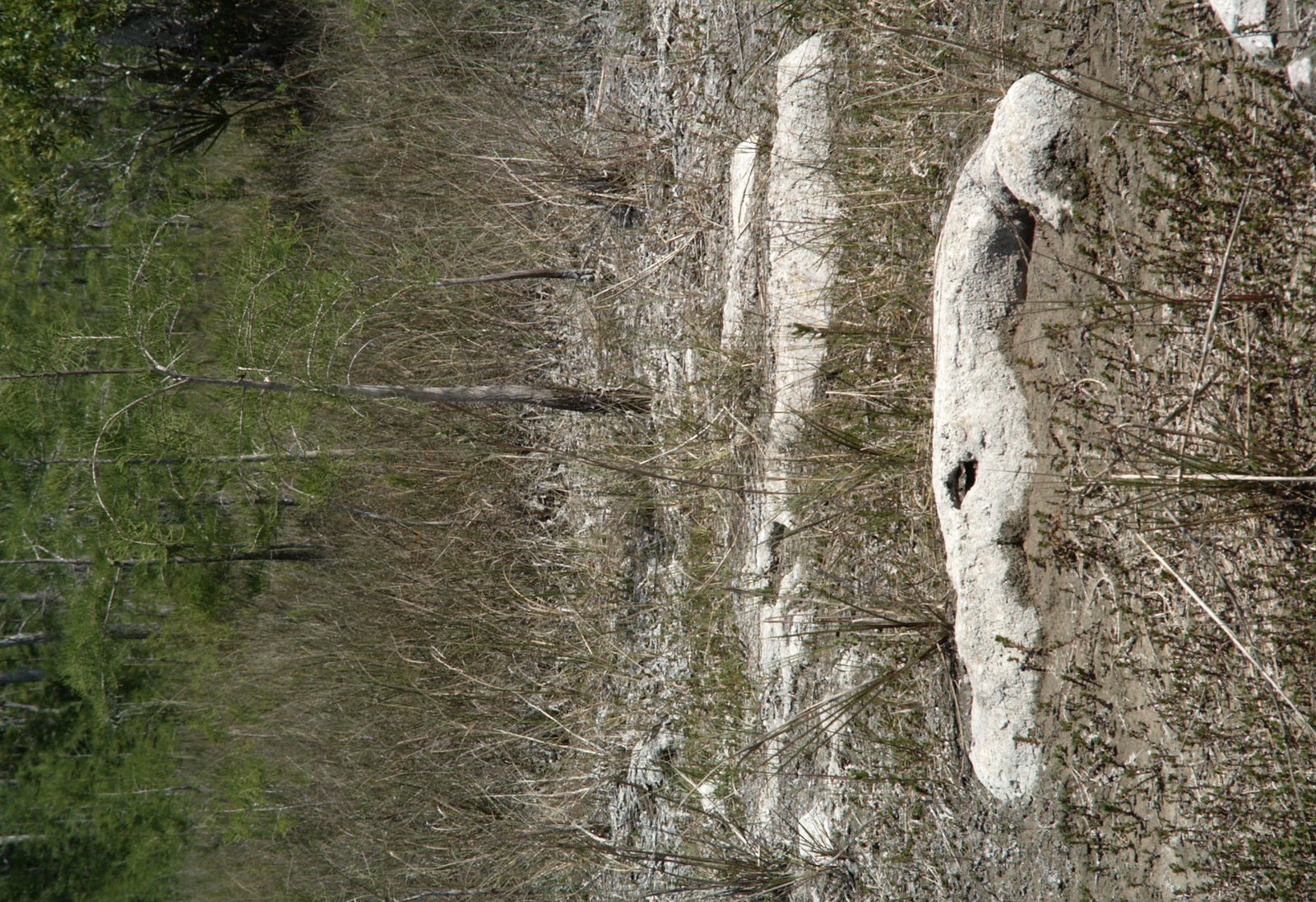
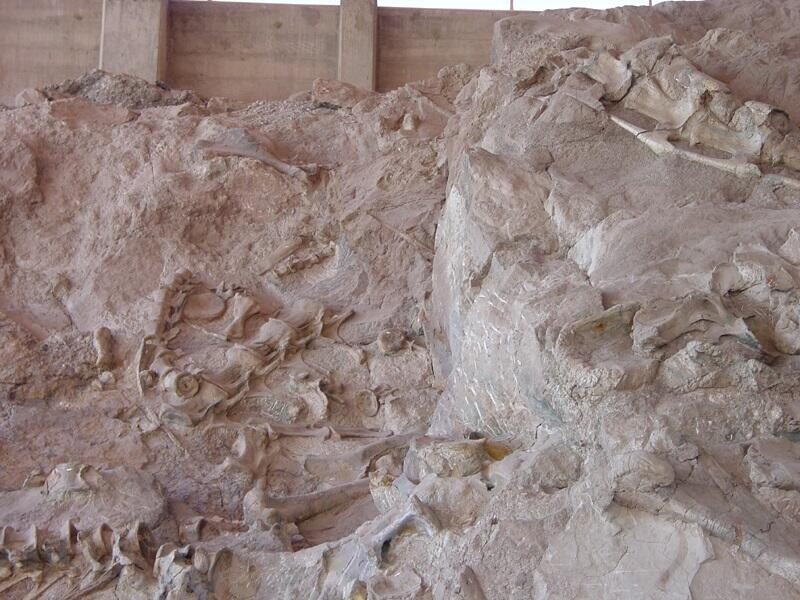
- The ground is a stack of stories.
- The bottom layer is the oldest one.
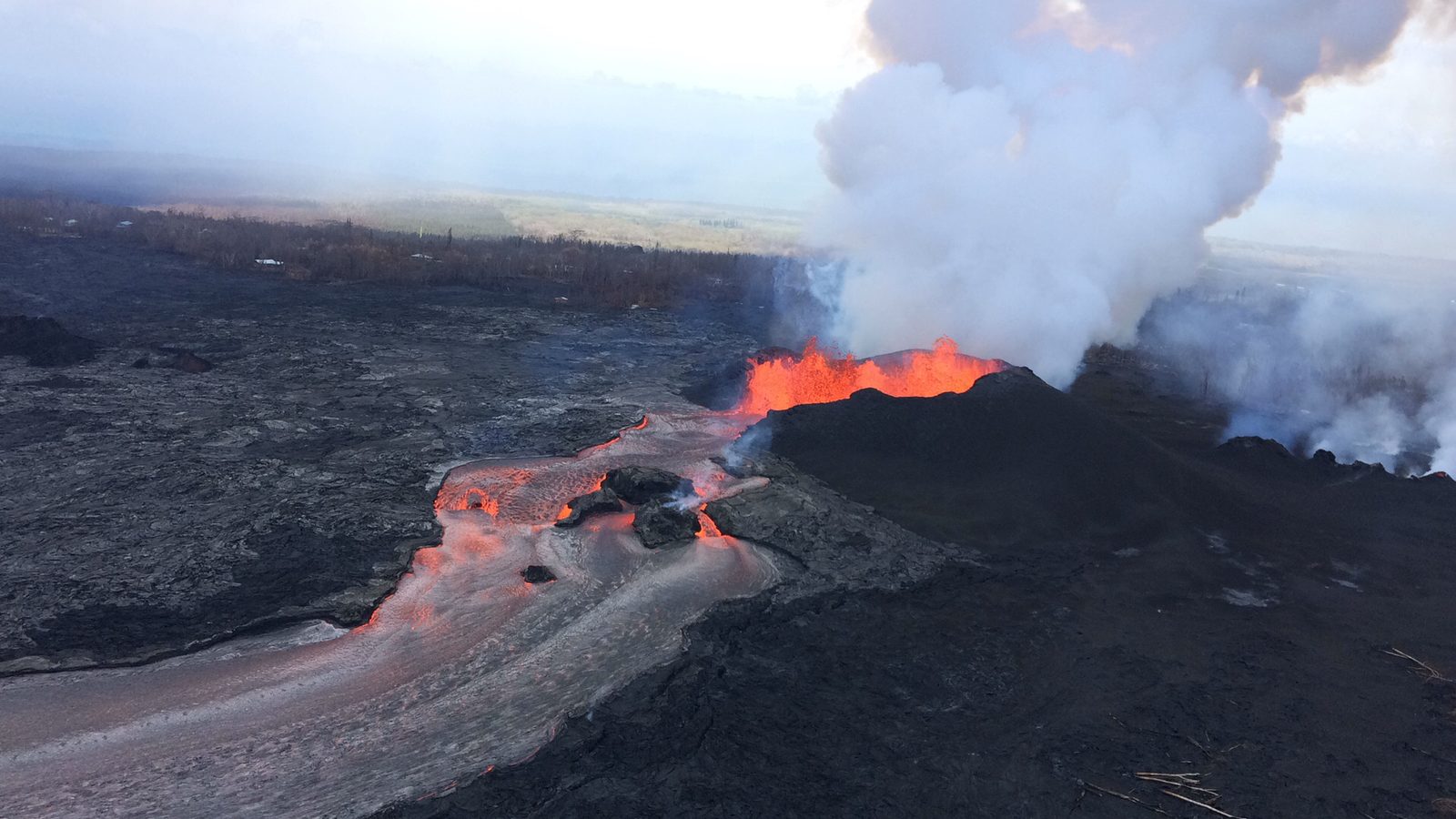
- This whole place used to be somewhere else.
You can love the earth in Lafayette.
What it really is
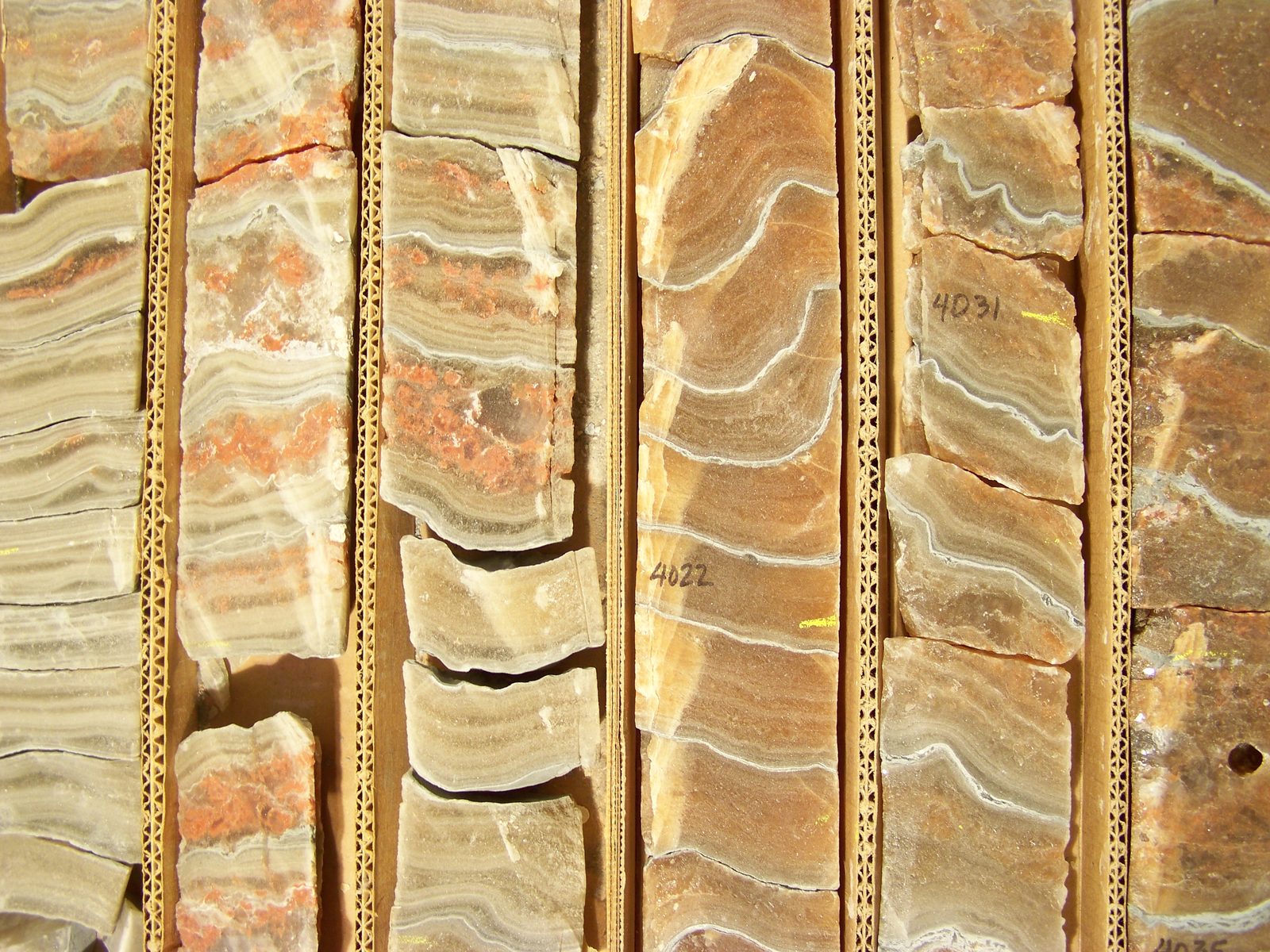
Geology reads the earth's layers to find out what happened and when.
Three things to try today
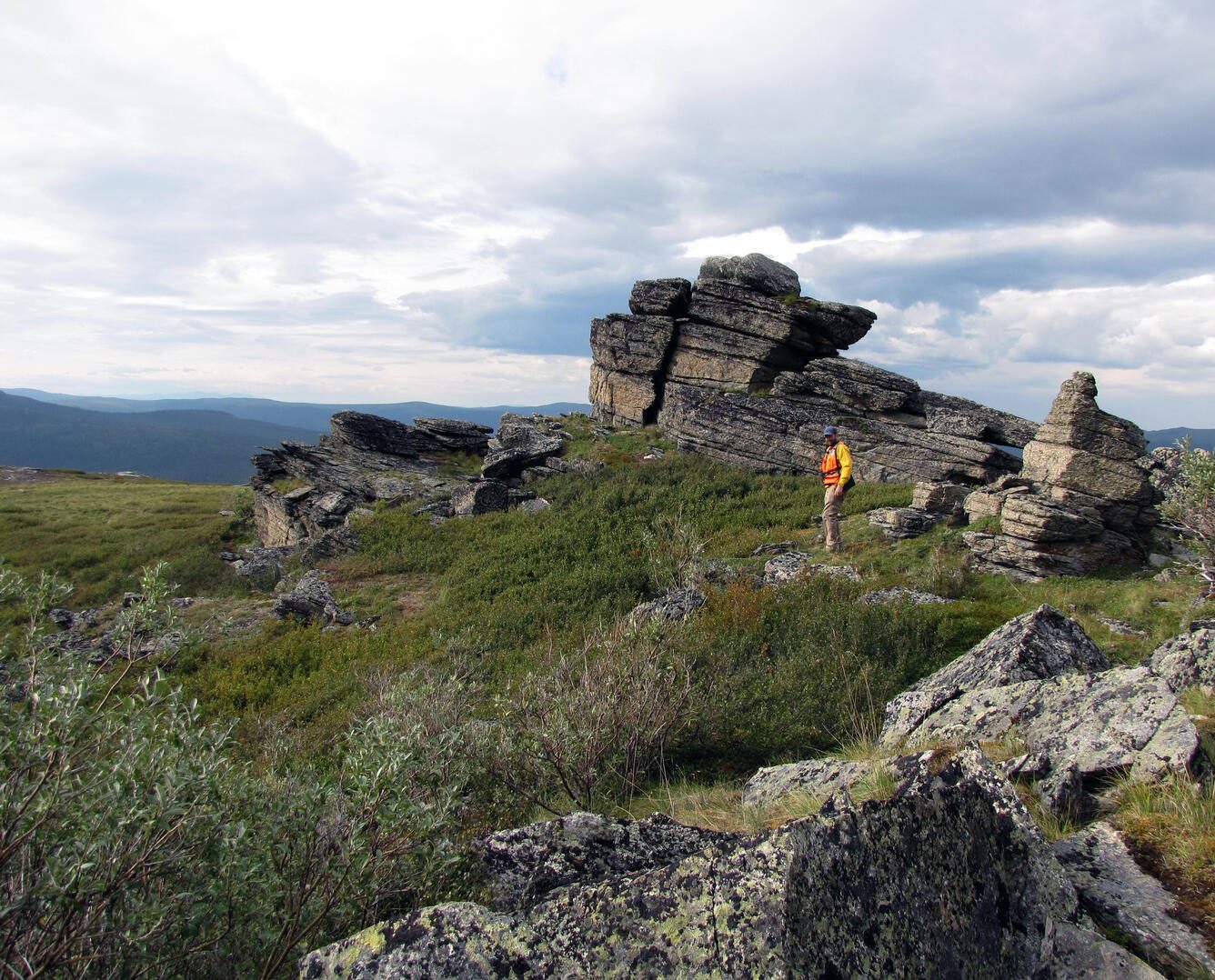
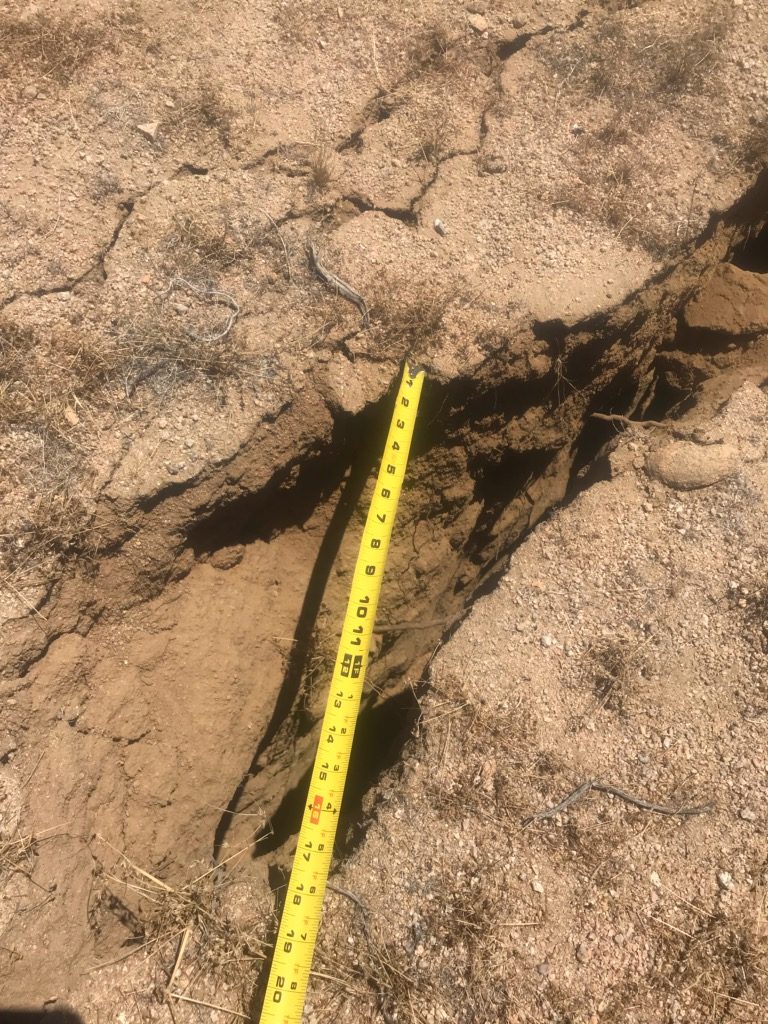
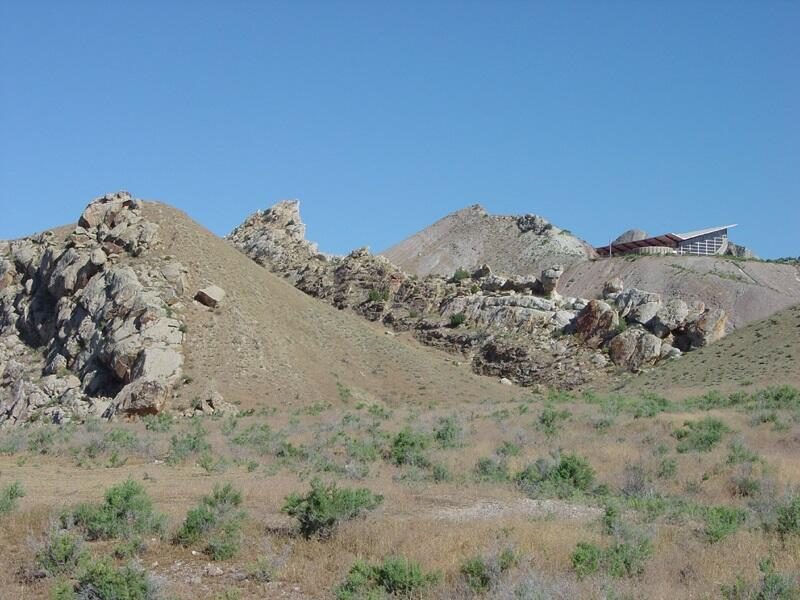
- Find a cut hillside or road cut and count the layers.
- Say which one is oldest.
- Look for the layer that is bent or broken.
For the grown-up reading this
A child in Lafayette, LA who loves the earth is not unusual. A child in Lafayette, LA who is told that loving the earth is unusual — that is the problem. The Lafayette, LA metro area has about 423,758 residents, ranking 132nd in the country.
Superposition — oldest on the bottom — is a four-year-old idea that runs the whole field.
If the kid who loves this is a girl
Read what one popular teacher said to one little girl who took out the classroom trash without being asked — and what that girl did with the rest of her life.
Love something else too
Near Lafayette
- Why I love the earth — New Orleans, LA
- Why I love the earth — Baton Rouge, LA
- Why I love the earth — Shreveport, LA
- Why I love the earth — Slidell, LA
- Why I love the earth — Lake Charles, LA
- Why I love the earth — Monroe, LA
- Why I love the earth — Houma, LA
- Why I love the earth — Alexandria, LA
- Why I love the earth — Hammond, LA
- Why I love the earth — Metairie, LA
Why I love the earth, everywhere in the US · All things to love · STEM jobs you could do · Summer camps in Lafayette