In my own words · Boston, MA
Why I love bees
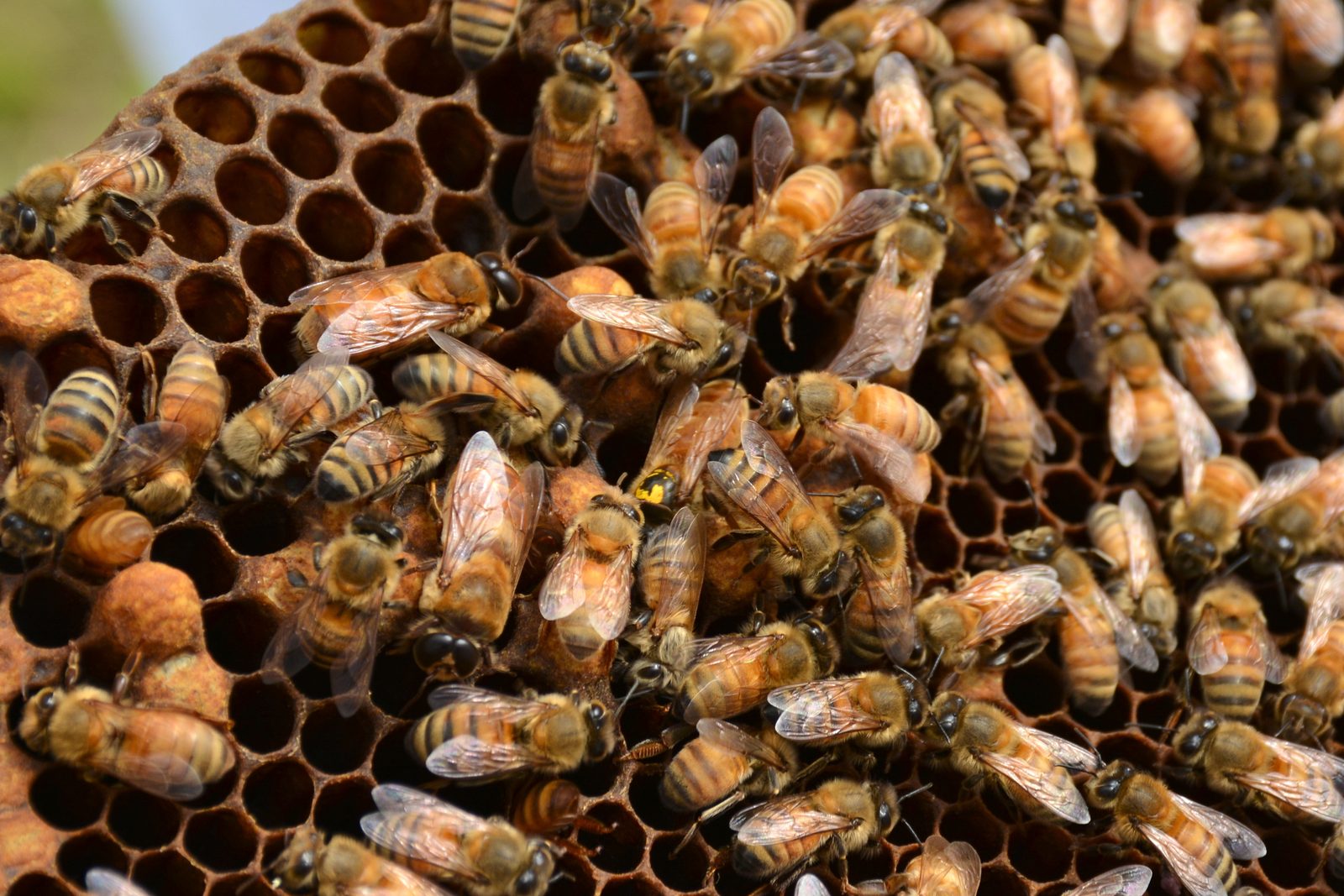
- They dance to tell each other where to go.
- Without them a lot of our food stops.
- The whole hive acts like one animal.
You can love bees in Boston.
What it really is
Bees pollinate plants and communicate the location of food by dancing.
Three things to try today
- Watch a bee for two minutes without touching it.
- Count how many flowers it visits.
- Find out what a waggle dance means.
For the grown-up reading this
A child in Boston, MA who loves bees is not unusual. A child in Boston, MA who is told that loving bees is unusual — that is the problem. The Boston–Cambridge–Newton, MA-NH metro area has about 5,034,221 residents, ranking 11th in the country.
The waggle dance encodes distance and direction. It is symbolic communication in an insect.
If the kid who loves this is a girl
Read what one popular teacher said to one little girl who took out the classroom trash without being asked — and what that girl did with the rest of her life.
Love something else too



Near Boston
- Why I love bees — Worcester, MA
- Why I love bees — Springfield, MA
- Why I love bees — Barnstable, MA
- Why I love bees — Amherst, MA
- Why I love bees — Pittsfield, MA
- Why I love bees — Cambridge, MA
- Why I love bees — Newton, MA
- Why I love bees — Northampton, MA
- Why I love bees — Salem, MA
- Why I love bees — Woburn, MA
Why I love bees, everywhere in the US · All things to love · STEM jobs you could do · Summer camps in Boston